DESIGN & ENGINEERING
Give the idea a workable direction.
Turn references into a shared design discussion, while identifying the site and technical questions that need qualified, project-specific review.

START WITH INTENT
A strong brief explains why, not just what.
Tell us the story, atmosphere or public role you want the sculpture to carry. Reference images become more useful when the important features are explained.
01
Creative direction
Identify the subject, mood, silhouette and references that matter. Separate essential requirements from open choices.
02
Site context
Share photographs, available plans, main viewpoints and approximate dimensions for the setting.
03
Review responsibilities
Identify who approves the artistic direction and who reviews the structural, foundation and site information.
PORTFOLIO REFERENCE
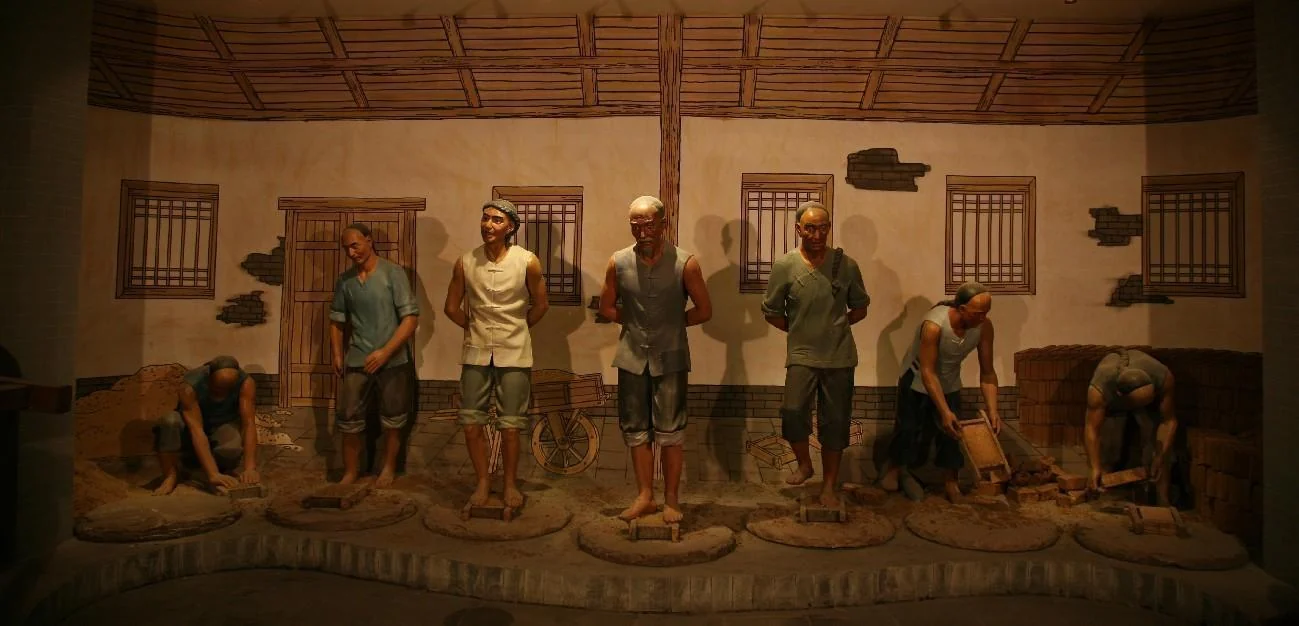
From an arrangement of figures to a scene.
The museum portfolio shows a design illustration alongside the completed brewing scene. It provides a concrete example of discussing individual figures and their relationship to a larger setting.

01 / CONCEPT
Establish the composition
Discuss subject, scale and principal views using sketches, reference imagery or a model appropriate to the brief.
02 / DEVELOPMENT
Resolve the visible decisions
Record the agreed proportions, surfaces and relationships between the main elements.
03 / COORDINATION
Identify the interfaces
Define what must be checked about the base, supports, handling and receiving site.
Structural calculations, foundations, code compliance and installation methods require review by the qualified professionals assigned to the project. The design scope and technical responsibilities should be agreed in writing.
KEEP APPROVALS TRACEABLE
Know which version everyone is working from.
Agree the required deliverables before work begins. Depending on scope, these may include reference boards, views, dimensions, model reviews or interface information.
VISUAL
Approved direction
Keep approved views and surface references distinguishable from earlier proposals.
TECHNICAL
Open questions
Record unresolved site and engineering questions with a responsible reviewer.
NEXT STEP
Release to proceed
Confirm the next stage and any changes that affect the agreed scope or timing.
FROM THE COMPANY PORTFOLIO
Developing the form.
Models and material studies provide concrete references for discussing scale, composition and surface. Project-specific engineering remains part of the agreed scope.

Silhouette and balance
The workshop model makes the relationship between horse, rider and base visible before the finished appearance is agreed.

Figures in relationship
A group of models shows how gestures and surrounding objects can work together within a narrative scene.

Depth and surface
Raised elements and textured areas show how relief can be read through changing light and viewing distance.
START A CONVERSATION
Bring us the idea—and the questions.
Share the subject, approximate dimensions, project location and reference images. We can use your brief to discuss the next step.