PROJECT NOTES
A better brief starts with better questions.
Three practical guides to help organise a sculpture enquiry: the idea, the material direction and the receiving site.

READ THE GUIDES
GUIDE 01 / THE IDEA
How to prepare a useful sculpture brief.
A good brief does not have to answer every question. It should explain what the project is trying to achieve, what is already decided and where you would welcome development.
Explain the intention behind the image.
When you send a reference, describe what you respond to: the subject, gesture, silhouette, surface or overall mood. A reference may be useful for one feature without defining the whole work.
Separate essential requirements from options. This helps the next discussion focus on the decisions that matter.
Add scale, context and decision-makers.
Include approximate dimensions, quantity, intended setting and target dates. Site photographs can be useful even when detailed drawings are not yet available.
Identify who approves the artistic direction and who reviews technical or site questions. Keep approved references separate from earlier drafts.
A simple brief: “We are considering a group sculpture for an outdoor courtyard. The main viewing direction is from the entrance. We have an approximate area and a preferred completion period, but would like to discuss the composition and material.”
GUIDE 02 / THE MATERIAL
Bronze or stainless steel: start with the visual intention.
The material decision should support the subject and setting. Begin by describing the visual result you want, then review the appropriate specification for the actual project.

Consider the form and surface together.
For a bronze direction, useful questions include the expression of the subject, the treatment of detail and the desired colour or surface character. Reference images help communicate these preferences.

Consider the surrounding light and space.
For a reflective stainless steel direction, discuss the silhouette from multiple angles and how the surrounding buildings, landscape and light will appear across the surface.
Do not choose a material grade or construction method from a photograph alone. Exposure, size, support and maintenance needs belong in a project-specific discussion.
GUIDE 03 / THE SITE
Plan the site before the sculpture arrives.
Early site information can reveal questions that affect the design, packing and installation arrangements. Recording an unknown is more useful than filling it with an assumption.
VIEWPOINTS
How will people encounter the work?
Record main approach routes, close viewing positions and the relationship to surrounding architecture or planting.
ACCESS
What needs to be checked?
Share available route information, doorway dimensions, lifting access and restrictions. The responsible professionals must assess the actual handling method.
OWNERSHIP
Who makes each decision?
Identify who coordinates the receiving site, who confirms foundation information and who is responsible for installation and local requirements.
Keep a simple list of open items, their responsible reviewers and the information needed to close them. Agree the handover and inspection points before transport is arranged.
FROM THE COMPANY ARCHIVE
Read a reference image with purpose.
Use a photograph to explain what matters to your brief: the silhouette, the surface or the relationship with its setting.
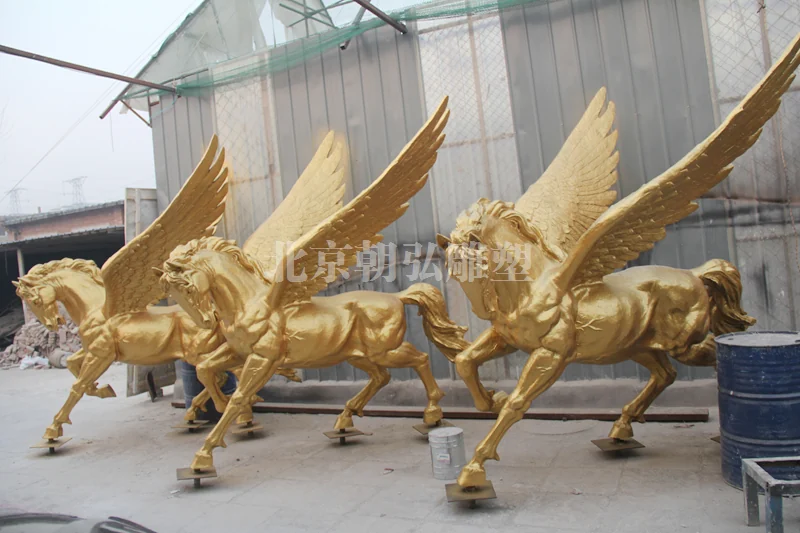
Describe the silhouette
Point out the gesture and overall movement you want the project team to understand.
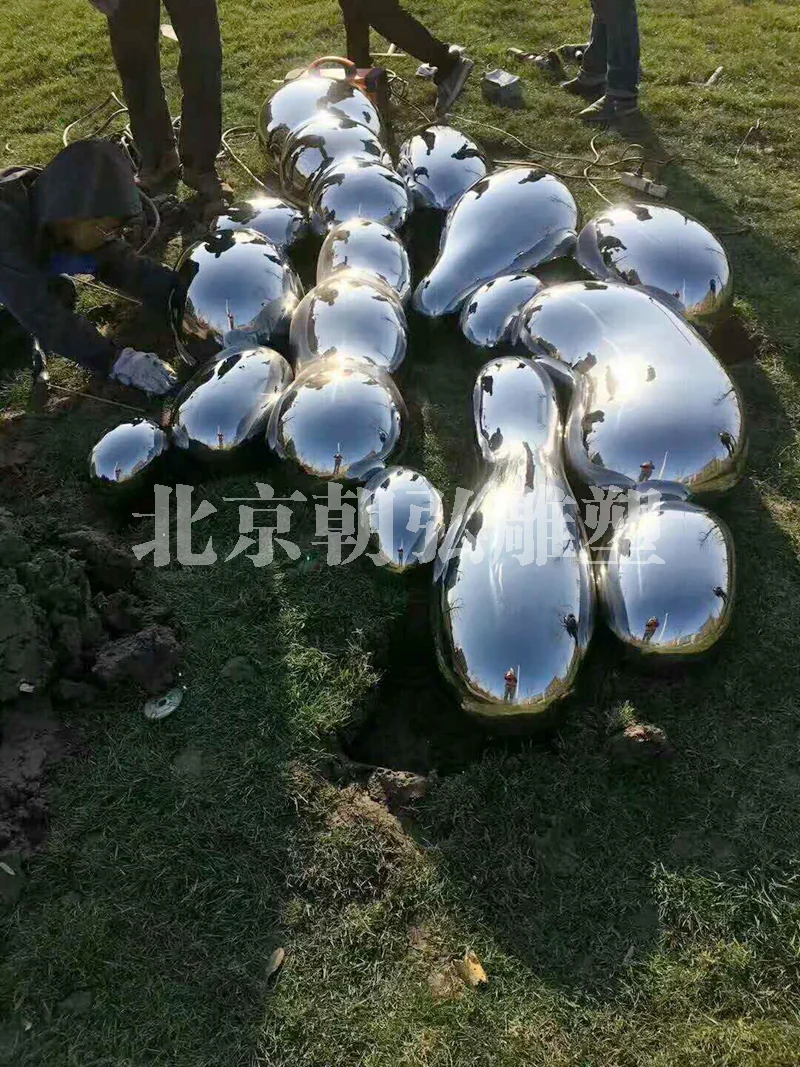
Describe the surface
Explain whether reflected light, texture or colour is important to the intended result.
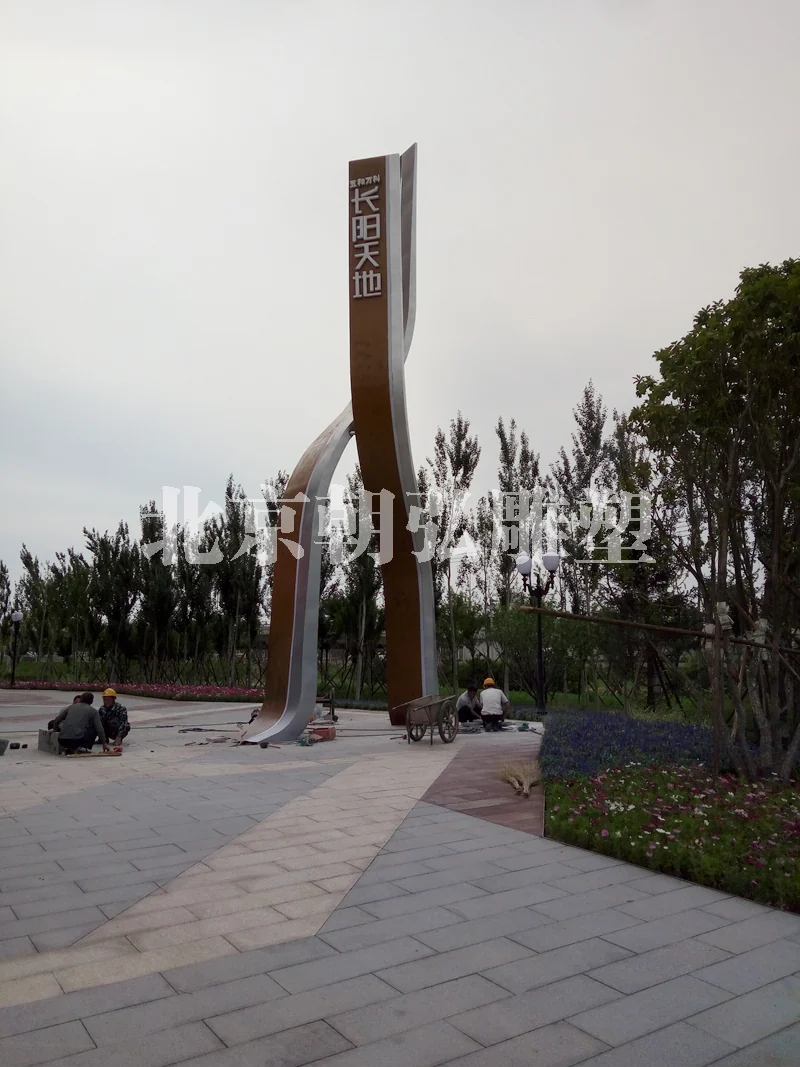
Describe the setting
Show the surrounding paths, landscape and principal viewing directions.
START A CONVERSATION
Bring the questions that are still open.
Share the subject, approximate dimensions, project location and reference images. We can use your brief to discuss the next step.